


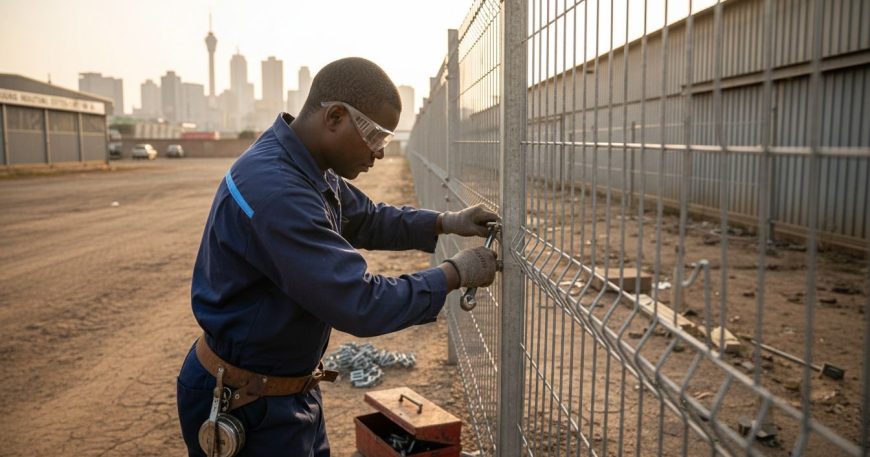
Choosing the right security fencing often feels overwhelming when crime pressure varies so much across Gauteng. Every site has its own mix of risks, legal requirements, and maintenance realities, making it tough to judge which fencing options truly match your needs. Understanding the security rating of a fence provides practical, South African context for property managers and security teams looking to protect commercial and industrial facilities—helping you compare options based on real deterrence, delay, and access prevention.
Table of Contents
- Security Rating In Fencing Explained
- Types And Levels Of Security Ratings
- Key Features Behind Security Evaluation
- Legal And Compliance Standards In South Africa
- Common Mistakes In Assessing Fencing Security
Key Takeaways
| Point | Details |
|---|---|
| Understanding Security Ratings | Security ratings assess the effectiveness of fencing in deterring, delaying, or preventing unauthorized access. Matching the rating to your facility’s risk profile is crucial for effective protection. |
| Evaluate Installation Quality | The effectiveness of a security fence relies not only on its rating but also on proper installation practices. Poorly installed fences may not perform as expected, regardless of their rated level. |
| Consider Complementary Security Measures | Fencing should be part of a multi-layered security strategy that includes alarms, lighting, and surveillance systems. Relying solely on fencing may leave vulnerabilities unaddressed. |
| Stay Informed on Compliance Regulations | Compliance with local laws regarding fencing is essential to avoid penalties and ensure adequate security. Understanding municipal by-laws can prevent costly mistakes in fencing selection and installation. |
Security rating in fencing explained
A security rating is a measurement system that indicates how effectively a fence protects your property against unauthorised access. These ratings reflect the fence’s ability to deter, delay, or prevent intruders from breaching your perimeter. Understanding what these ratings mean helps you choose the right solution for your facility’s specific risk profile.
Security ratings evaluate multiple factors working together. Rather than focusing on just one element, these assessments look at the complete picture of your fencing system.
Key factors in security ratings include:
- Material composition and thickness of fence panels
- Structural integrity and resistance to physical force
- Anti-climb and anti-cut properties that slow or prevent breaching
- Height and design of the fencing installation
- Foundation and post strength supporting the entire system
- Connection points between panels and posts
Why does this matter in South Africa specifically? Your location, facility type, and local crime patterns all influence which security rating makes sense for your investment. Industrial facilities in high-risk areas need different protection levels than suburban residential properties.
A fence’s ability to deter, delay, or prevent unauthorised access depends directly on how well it matches your property’s actual security needs and local risk environment.
Different facilities require different ratings. Consider what you’re protecting and the genuine threat level in your area. A manufacturing plant in Gauteng faces different pressures than a retail space or residential complex.
The strength of your anti-cut properties matters significantly in industrial settings. Cutting tools and grinding equipment represent real risks, so fencing that resists these threats provides measurable protection. Similarly, anti-climb design prevents intruders from using common techniques to scale your perimeter.
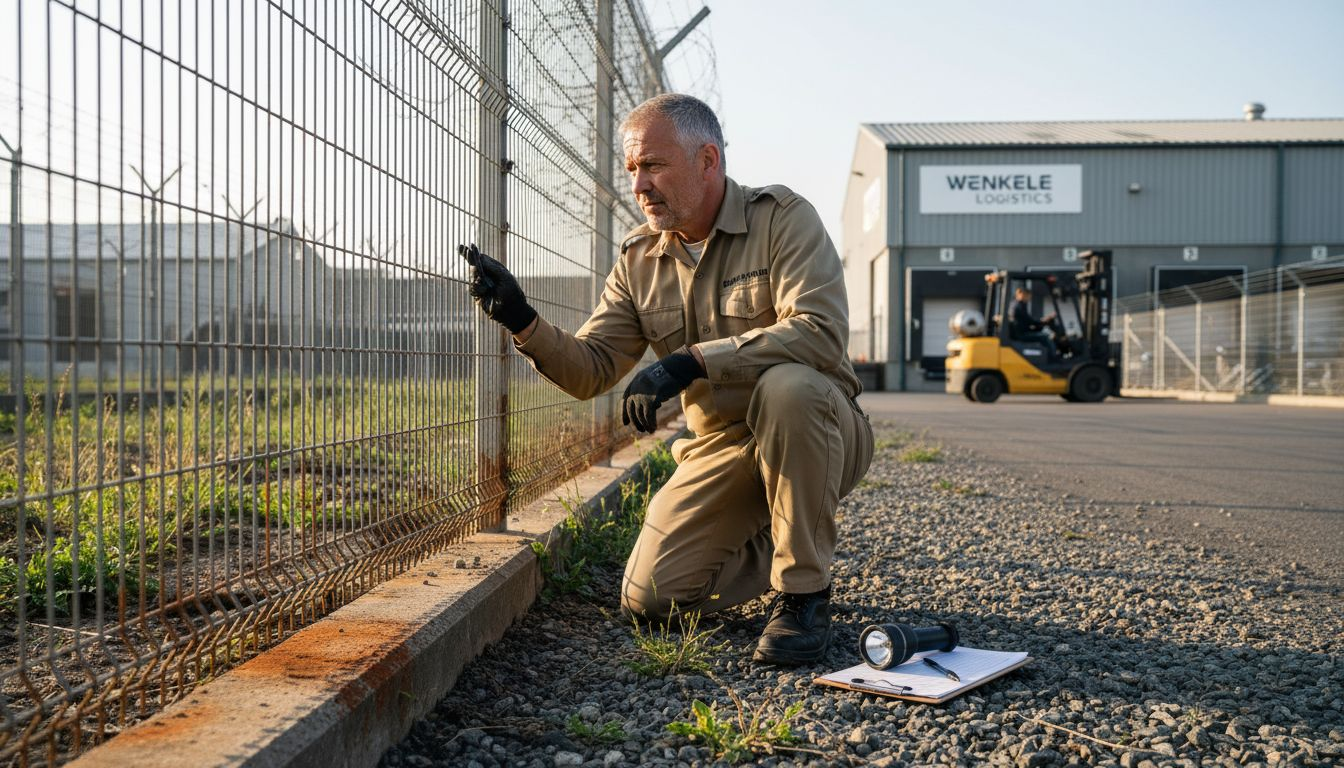
Matching your security rating to actual conditions is critical. Overshooting means wasted capital; undershooting leaves vulnerabilities. The right solution sits exactly where your risk profile and facility requirements intersect.
Pro tip: Request a site assessment from qualified fencing professionals who can evaluate your specific location, neighbouring properties, access points, and local security patterns before recommending a security rating that actually fits your needs.
Types and levels of security ratings
Security ratings don’t exist as a single standardised system in South Africa. Instead, they operate as a spectrum ranging from basic perimeter protection through to maximum-security solutions. Understanding where your facility sits on this spectrum helps you allocate resources effectively.
Ratings typically progress from lower to higher levels of protection. Each level builds on previous protections, adding complexity, materials, and security features.
Common security rating categories include:
- Level 1 (Basic): Deters casual trespassers; simple barrier function with minimal climbing or cutting resistance
- Level 2 (Standard): Resists basic tools and climbing attempts; suitable for residential and light commercial use
- Level 3 (Enhanced): Provides substantial anti-climb and anti-cut properties; designed for commercial and industrial facilities
- Level 4 (Maximum): Engineered to resist sustained attack; incorporates heavy-gauge materials and reinforced construction
- Level 5 (Specialist): Custom solutions for highest-risk environments; includes integrated security systems and monitoring compatibility
Your facility type determines which level makes practical sense. A warehouse in an industrial park requires different protection than an office building in a secured estate. Local crime statistics and your actual asset value guide this decision.
Below is a comparison of security rating levels and their typical applications in South Africa:
| Security Rating Level | Typical Facilities | Notable Features |
|---|---|---|
| Level 1 (Basic) | Parks, rural homes | Minimal deterrent, low resistance |
| Level 2 (Standard) | Residences, shops | Basic anti-climb, moderate strength |
| Level 3 (Enhanced) | Factories, warehouses | Substantial anti-cut, commercial grade |
| Level 4 (Maximum) | Critical infrastructure | Heavy materials, sustained attack resistance |
| Level 5 (Specialist) | Prisons, high-security sites | Integrated monitoring, custom solutions |
The correct security level balances genuine threat assessment against budget realities; oversecuring wastes capital whilst undersecuring creates unacceptable risk.
Property managers and security personnel must evaluate security fencing terminology to make informed comparisons between products. Terms like “tensile strength,” “gauge rating,” and “anti-cut mesh” affect how ratings translate to real-world performance.
Material quality directly influences rating designation. High-tensile wire, galvanised coatings, and engineered mesh all contribute to how a fence performs under pressure or attack attempts.
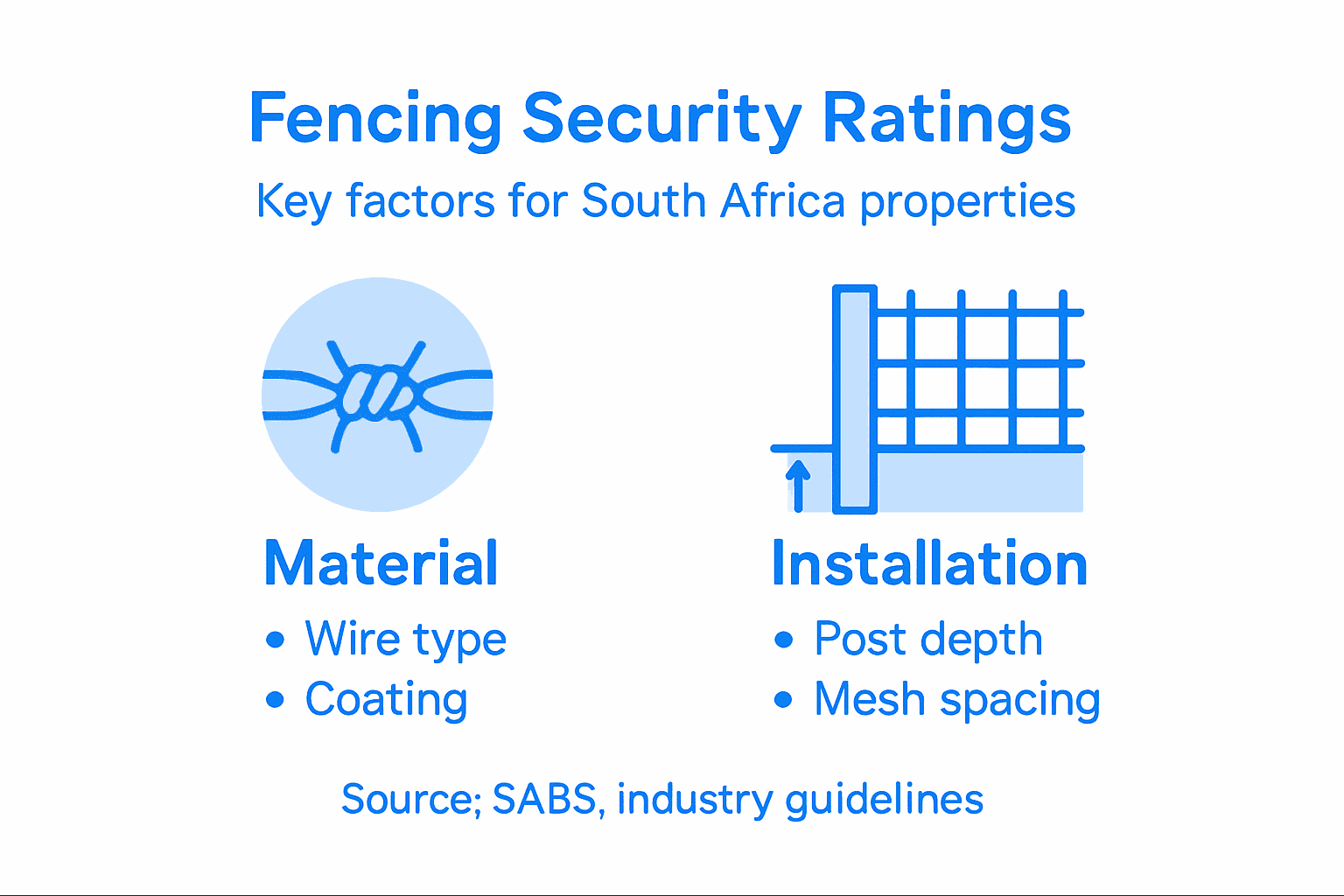
Installation quality matters as much as product specifications. A Level 4 fence installed poorly performs worse than a properly installed Level 3 system. Post spacing, concrete depth, and panel alignment all affect the final security outcome.
Geographical context in Gauteng and surrounding provinces shapes rating requirements. Urban industrial areas face different threats than remote facilities or high-density residential zones.
Pro tip: When comparing fencing quotes, request the specific security rating classification and ask installers to explain which features address your facility’s actual vulnerabilities rather than assuming higher ratings automatically mean better solutions for your circumstances.
Key features behind security evaluation
Security evaluators examine specific physical and structural characteristics that determine how well a fence actually performs. These features work together to create an overall rating that reflects real-world protective capability.
Material composition forms the foundation of any security assessment. The type of wire, mesh thickness, and coating determine initial resistance to cutting and corrosion.
Essential evaluation features include:
- Wire gauge and tensile strength affecting cutting resistance and structural load capacity
- Mesh openings preventing climbing footholds and unauthorised passage
- Galvanised or powder-coated finishes protecting against weather degradation and extending lifespan
- Panel height and configuration limiting scaling attempts and visibility into secured areas
- Post spacing and foundation depth providing structural stability against force or impact
- Welding quality and connection points ensuring panels remain intact under stress
- Anti-climb features like angled tops or rolled edges preventing grip access
Climbing resistance represents a critical evaluation metric. Assessors test whether foot and handholds exist, whether angles allow scaling, and whether edge treatments prevent grip.
Evaluators focus on measurable resistance times—how long delays an intruder—rather than claiming absolute prevention, since determined attackers with proper equipment will eventually breach any barrier.
Cutting resistance tests materials against common tools. Abrasive wheels, bolt cutters, and hacksaws represent realistic threats in industrial areas. High-tensile wire withstands these tools significantly longer than standard fencing.
Visibility through fencing affects security perception and practical surveillance capability. Clear-view fencing allows property managers to monitor grounds without blind spots, whilst solid panels create concealment opportunities.
Weather performance influences long-term rating validity. Rust, corrosion, and material degradation reduce security effectiveness over time. Proper coating systems and material selection maintain ratings across seasons and years.
Inspection frequency and maintenance standards affect how ratings translate into actual performance. A perfectly rated system neglected for years performs worse than a properly maintained lower-rated installation.
This summary highlights how installation and maintenance practices affect long-term fence security ratings:
| Practice Area | Impact on Security Rating | Real-World Result |
|---|---|---|
| Quality Installation | Achieves full rating potential | Maximum protection granted |
| Regular Inspections | Identifies early degradation | Maintains original effectiveness |
| Neglected Maintenance | Reduced rating over time | Increased vulnerability to breaches |
| Compliant Materials | Meets legal/insurance needs | Validates insurance cover and compliance |
Geographical factors matter significantly. Coastal areas accelerate corrosion; industrial zones increase tool-based attack likelihood; high-crime areas demand maximum delay capabilities. Understanding anti-cut fencing properties helps property managers select systems matching local threat patterns.
Pro tip: Document baseline conditions with photographs and measurements when your fencing is installed, then conduct annual inspections comparing current condition against baseline to catch degradation early and maintain your security rating’s real-world effectiveness.
Legal and compliance standards in South Africa
South Africa lacks a single unified national security fencing standard, meaning compliance requirements vary by province, local authority, and facility type. Property managers and security personnel must navigate multiple regulatory frameworks simultaneously to ensure their fencing meets legal obligations.
Compliance operates across several distinct levels. National legislation, provincial regulations, municipal by-laws, and industry-specific standards all influence what your fencing must accomplish.
Key compliance areas include:
- Building codes and construction standards specifying material requirements and installation methods
- Local municipality regulations determining maximum heights, setbacks, and aesthetic requirements
- Industry-specific guidelines for prisons, banks, utilities, and critical infrastructure
- Health and safety legislation protecting workers during installation and maintenance
- Environmental regulations addressing materials, waste disposal, and land use
- Liability standards defining property owner responsibilities for perimeter security
Municipal by-laws represent the most immediate compliance concern. Gauteng municipalities enforce specific fencing heights, material restrictions, and visual impact requirements. Your local council determines whether solid panels, mesh fencing, or specific colours comply with local planning standards.
Non-compliance creates exposure to fines, forced removal and reinstallation, or liability claims when breaches occur through inadequate perimeter security.
Property classification affects compliance requirements significantly. Residential, commercial, industrial, and agricultural properties face different standards. Industrial fencing requirements in South Africa differ substantially from residential standards, particularly regarding height, materials, and anti-climb specifications.
Criminal liability considerations shape security decisions. Property owners face potential legal consequences if inadequate fencing enables theft, vandalism, or criminal activity on neighbouring properties. Courts assess whether fencing was “reasonably adequate” for the facility type and location.
Insurance requirements often impose fencing standards beyond legal minimums. Your insurance provider may mandate specific security ratings, heights, or anti-climb features to maintain coverage. Reviewing your policy before selecting fencing prevents discovering coverage gaps afterwards.
National Standards such as SABS (South African Bureau of Standards) specifications influence product selection, though they operate as guidance rather than binding law for most facilities. Manufacturers reference SABS standards when marketing security ratings.
Worker safety during installation must comply with occupational health and safety legislation. Installers require proper equipment, training, and insurance protecting workers and adjacent properties.
Pro tip: Contact your local municipality planning department before purchasing fencing to obtain written confirmation of height limits, material restrictions, and aesthetic requirements specific to your property classification—this single step prevents costly compliance problems after installation.
Common mistakes in assessing fencing security
Property managers often make critical errors when evaluating fencing security, leading to inadequate protection or wasted investment. Understanding these pitfalls helps you make informed decisions that actually match your facility’s needs.
The most fundamental mistake is treating fencing as a standalone solution. Security requires a layered approach combining multiple defensive strategies working together to create genuine protection.
Common assessment errors include:
- Ignoring complementary security measures such as alarms, lighting, and surveillance that multiply fence effectiveness
- Neglecting regular maintenance allowing degradation that compromises ratings over months and years
- Failing to consider environmental factors like terrain, neighbouring properties, and sight lines affecting real-world performance
- Assuming higher ratings automatically provide better security without matching your specific threat profile
- Overlooking legal restrictions that limit fence height, materials, or design in your area
- Focusing exclusively on climbing resistance whilst ignoring cutting threats common in industrial settings
- Selecting based on appearance alone without evaluating structural integrity or material quality
Integrating complementary security measures alongside your fencing dramatically improves protection effectiveness. A Level 4 fence without lighting or surveillance cameras provides less actual security than a Level 2 fence combined with proper monitoring systems.
Maintenance neglect represents a silent vulnerability. Rust spreading through galvanising, loose welds at connection points, and weather damage all degrade security ratings gradually. Annual inspections catch problems early, preserving your investment’s effectiveness.
Environmental assessment matters significantly. A fence rated for standard conditions may fail in coastal areas with salt-air corrosion or industrial zones with constant vibration and impact. Local geography shapes which products and ratings deliver genuine protection.
Matching security ratings to actual threat levels prevents both under and oversecuring your property. A rural agricultural facility doesn’t require maximum-security specifications; conversely, a Gauteng manufacturing plant in a high-crime area demands comprehensive protection.
Proper assessment requires understanding your specific asset value, genuine threat patterns, maintenance capacity, and complementary security resources—not just selecting the highest available rating.
The proper security fence installation process ensures your fencing performs as rated. Even excellent materials installed poorly underperform; proper installation quality affects whether you achieve stated security levels.
Budget constraints tempt managers to compromise on foundational elements. Cutting corners on post depth, concrete volume, or material gauge creates vulnerabilities exploitable by determined intruders.
Pro tip: Conduct a threat assessment with qualified security professionals before fencing selection—document specific vulnerabilities, asset values, and local crime patterns rather than assuming general security ratings without matching them to your unique operational context.
Choose the Right Security Rating with Jumalu Fencing
Understanding your property’s unique security needs and the critical importance of a proper security rating is the first step to truly protecting your assets in South Africa. Many facilities suffer from mismatched fencing solutions that either overspend without added protection or leave vulnerabilities exposed to intruders using climbing and cutting tools. At Jumalu Tech, we specialise in delivering high-quality, tailored fencing options that address these exact challenges. Our High Security Fencing – Jumalu Fencing range combines anti-climb and anti-cut features with durable materials engineered for Gauteng’s demanding environment.
Ready to secure your property with a system that meets your specific local threat profile and compliance needs? Explore expert Clearview Fence Installation – Jumalu Fencing for unobstructed visibility and superior durability or strengthen your perimeter with our proven Mesh Panel Fencing – Jumalu Fencing options. Don’t wait until vulnerabilities become costly breaches. Visit Jumalu Tech today to discuss your security rating requirements with our professionals and get a customised fencing quote designed to give you lasting peace of mind.
Frequently Asked Questions
What factors affect the security rating of a fence?
The security rating of a fence is influenced by several key factors, including material composition and thickness, structural integrity, anti-climb and anti-cut properties, height and design, foundation strength, and the quality of connection points between panels and posts.
Why is it important to match a fence’s security rating to my property’s specific needs?
Matching a fence’s security rating to your property’s specific needs is crucial because it ensures the right level of protection against potential threats. Overshooting can lead to unnecessary expenses, while undershooting may leave vulnerabilities exposed, making your property susceptible to intrusions.
How do different security rating levels compare in terms of protection?
Security rating levels range from Basic (Level 1) to Specialist (Level 5). Lower levels are meant for casual deterrence and basic protection, while higher levels incorporate heavier materials and features designed to withstand sustained attacks and are suitable for high-risk environments.
What common mistakes should I avoid when assessing fencing security?
Common mistakes in assessing fencing security include overlooking complementary security measures, neglecting regular maintenance, failing to consider environmental factors, and assuming that higher rated fences always provide better security without understanding local threat levels.

