{ “@graph”: [ { “@type”: “Article”, “image”: { “url”: “https://csuxjmfbwmkxiegfpljm.supabase.co/storage/v1/object/public/blog-images/organization-6538/1788872768925_Facility-perimeter-fence-inspection-at-sunset.jpeg”, “@type”: “ImageObject”, “caption”: “Facility perimeter fence inspection at sunset” }, “author”: { “url”: “https://jumalutech.co.za”, “name”: “Jumalu Fencing”, “@type”: “Organization” }, “headline”: “R1,000–R1,300/m Privacy Fence Costs for South African Facility Managers”, “publisher”: { “url”: “https://jumalutech.co.za”, “name”: “Jumalu Fencing”, “@type”: “Organization” }, “inLanguage”: “en-US”, “description”: “Facility managers: budget R1,000–R1,300/m installed for clear-view anti-climb privacy fencing. Learn the hidden site costs, permit traps, and how to get…”, “dateModified”: “2026-09-08T13:07:01.915Z”, “datePublished”: “2026-09-08T13:07:01.915Z” }, { “@type”: “BreadcrumbList”, “itemListElement”: [ { “item”: “https://jumalutech.co.za”, “name”: “Jumalu Fencing”, “@type”: “ListItem”, “position”: 1 }, { “item”: “https://jumalutech.co.za/what-is-the-average-cost-of-a-privacy-fence”, “name”: “R1,000–R1,300/m Privacy Fence Costs for South African Facility Managers”, “@type”: “ListItem”, “position”: 2 } ] } ], “@context”: “https://schema.org” }
{ “@type”: “FAQPage”, “@context”: “https://schema.org”, “mainEntity”: [ { “name”: “What is the average cost of a privacy fence with anti-climb features?”, “@type”: “Question”, “acceptedAnswer”: { “text”: “Installed high-security clear-view fencing averages roughly R1,000 to R1,300 per linear metre in South Africa, with premium specifications reaching R1,600 per metre.”, “@type”: “Answer” } }, { “name”: “Is supply-only cheaper than supply-and-install?”, “@type”: “Question”, “acceptedAnswer”: { “text”: “Supply-only pricing looks cheaper upfront but excludes excavation, concrete, and skilled labour. Once those costs are added, the gap narrows considerably, and supply-and-install includes a workmanship warranty supply-only doesn’t.”, “@type”: “Answer” } }, { “name”: “How much does a gate add to a fencing project?”, “@type”: “Question”, “acceptedAnswer”: { “text”: “A manual pedestrian or sliding gate typically adds several thousand rand, while motorised gates add considerably more depending on width and automation features.”, “@type”: “Answer” } }, { “name”: “What mesh specification should I request for high security?”, “@type”: “Question”, “acceptedAnswer”: { “text”: “Ask for a tighter aperture, closer to 12.7mm rather than 25mm, and a heavier wire gauge. This combination meaningfully improves anti-climb performance over standard economy specifications.”, “@type”: “Answer” } }, { “name”: “Do I need a permit for a high-security fence?”, “@type”: “Question”, “acceptedAnswer”: { “text”: “Many municipalities cap boundary fence height without a permit and require separate approval for electrified sections. Check with your local authority before finalising height or aperture spec.”, “@type”: “Answer” } } ] }
The average installed cost for high-security clear-view anti-climb fencing runs roughly R1,000 to R1,300 per linear metre, with most South African projects landing near R1,150 per metre. Some supplier price lists push that range up to R1,600 per metre for tighter mesh apertures, taller panels, or added security features. Final totals depend heavily on height, aperture spec, gates, and site conditions.
TL;DR:
- The typical installed cost for high-security anti-climb fencing ranges from R1,000 to R1,300 per metre, with premium options reaching up to R1,600.
- Fence specifications such as mesh aperture size and wire gauge are the primary cost drivers, with tighter, heavier options significantly increasing price and security.
- Site conditions, including ground type and existing underground services, can cause unexpected cost increases, making site assessment essential before quoting.
- Supply-only quotes exclude installation costs, which typically add a few hundred rand per metre, and DIY installation is not advisable for high-security systems.
- Permitting processes and local regulations can add to costs, especially for boundary height limits and electrification, so thorough local approval checks are necessary upfront.
Table of Contents
- Typical price ranges: per metre and common project totals
- What actually drives the price of clear-view security fencing
- Supply-only vs. supply-and-install pricing
- A simple formula to estimate your project cost
- Getting comparable quotes without getting burned
- How local regulations and permits affect your total cost
- Jumalu perspective: what actually surprises clients on-site
- Get a site-specific quote before you commit to a number
- Sources
- FAQ
Typical price ranges: per metre and common project totals
Clear-view anti-climb fencing pricing splits into three practical tiers, and knowing which one applies to your quote saves a lot of back-and-forth with contractors. Economy packages use wider mesh apertures and lighter gauge wire. Standard packages balance cost against a meaningful anti-climb rating. High-security packages tighten the mesh spacing and add coating upgrades that push per-metre pricing toward the top of the range.
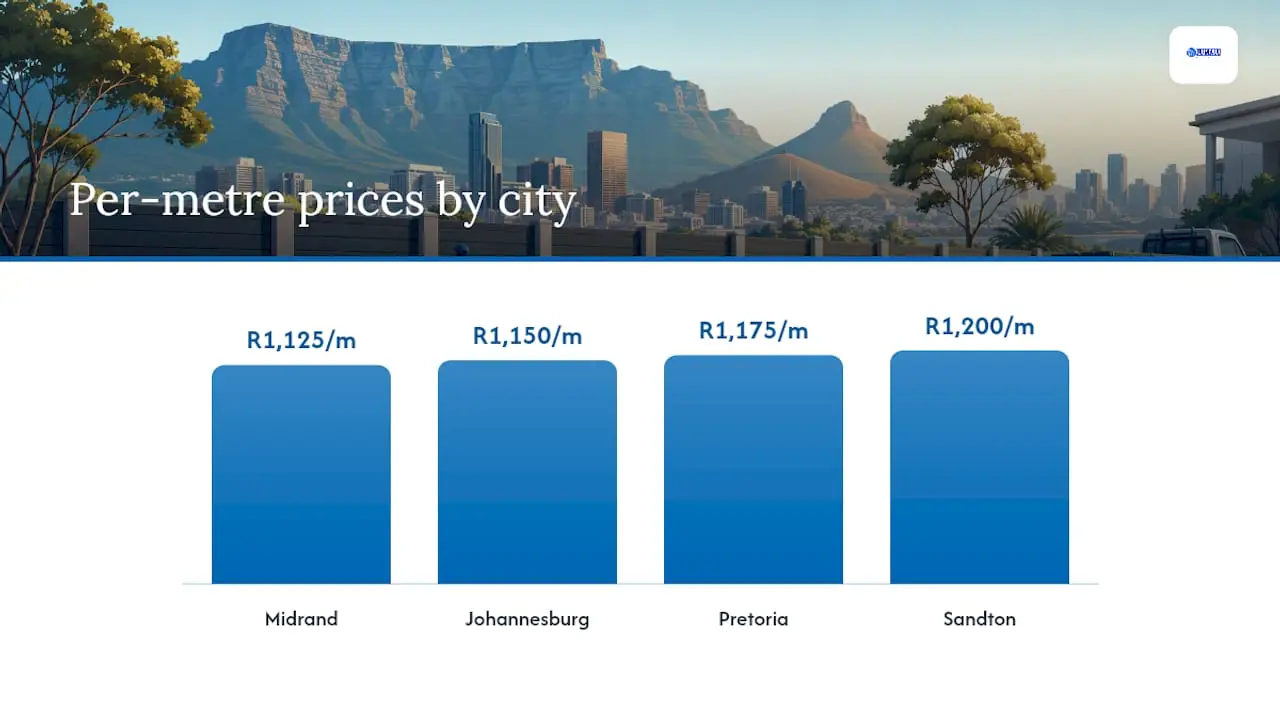
City-level data shows this variance clearly. Johannesburg averages around R1,150 per metre, Pretoria sits near R1,175, and Sandton runs closer to R1,200 per metre for comparable specifications. Midrand tends to land slightly lower, closer to R1,125. These differences usually trace back to labour rates and site access rather than material cost alone.
Here’s how those per-metre figures translate into real project budgets at three common lengths and heights:
These ranges reflect the R1,000 to R1,300 per metre band, with the upper figures approaching the R1,600 per metre ceiling reported for higher-security specifications. A single sliding gate typically adds several thousand rand depending on width and whether motorisation is included, and corner posts on a non-linear boundary add both material and labour beyond the straight-run rate. Budget separately for these rather than folding them into your per-metre estimate.
What actually drives the price of clear-view security fencing
Mesh aperture and wire gauge do more to move your quote than almost any other single factor. Dropping from a 25mm vertical aperture to a 12.7mm aperture, paired with a heavier wire gauge, materially increases material cost but delivers a substantially higher anti-climb rating. For most commercial and industrial buyers, this is the single biggest lever in the quote.
Coating choice matters almost as much, particularly for coastal or humid sites, where timber plantation shutters demonstrate how finish choices affect price and durability. Galvanized finishes handle general weathering well and cost less upfront. PVC-coated finishes add a protective layer against salt air and moisture, which matters if your site sits within a few kilometres of the coast or in a humid inland climate prone to corrosion.
Several other specification choices shift your total:
- Post type and footing depth — deeper concrete footings and heavier gauge posts add labour and material but resist tampering far better than shallow-set alternatives.
- Ground conditions — rocky or unstable terrain slows excavation and can require specialised footing methods, adding to labour time.
- Security extras — anti-climb toppers, razor wire mesh panels, electrification, and CCTV integration each add a distinct line item rather than a percentage markup.
- Height and panel geometry — taller runs need stronger posts and more bracing, not just more mesh.
Pro Tip: Ask every contractor to quote mesh aperture and wire gauge as specific numbers, not vague terms like “heavy duty.” Two quotes describing “premium mesh” can differ by 40% in actual wire diameter.
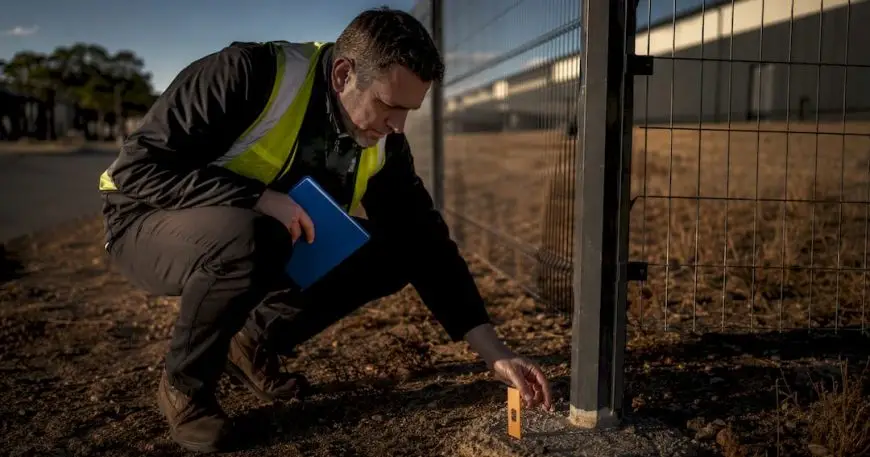
Installation quality often decides whether these specification investments pay off. Even the tightest mesh aperture and heaviest gauge wire fail against a determined intruder if the footing depth is shallow or the fastenings are tamper-prone.
Supply-only vs. supply-and-install pricing
Supply-only quotes typically cover panels, posts, and fixings, but exclude excavation, concrete, labour, and site cleanup. Those excluded items are exactly where hidden costs creep in on a DIY or self-managed install.
A supply-and-install package bundles these costs into one line, and for anti-climb systems specifically, that bundling protects your investment in ways a lower sticker price doesn’t. Consider what you gain:
- Workmanship warranty covering installation defects, not just material faults.
- Correct footing depth and post alignment, which determine whether the anti-climb geometry actually holds under stress.
- Reduced lifecycle cost from fewer repairs, since improper installation is the most common cause of early fence failure.
- Single point of accountability if something goes wrong after handover.
The delta between supply-only and supply-and-install typically runs a few hundred rand per metre once you account for excavation, concrete, and skilled labour. For anti-climb, anti-cut systems specifically, DIY installation is inadvisable. The security performance depends on precise tensioning and fastening that most property owners aren’t equipped to execute reliably.
A simple formula to estimate your project cost
Before requesting quotes, run a quick estimate so you can sanity-check what contractors send back. The formula is straightforward:
- Base cost: per-metre installed rate × total fence length
- Add gate cost: pedestrian gates add a fixed amount; sliding or motorised gates add considerably more
- Add site-prep allowance: for rocky ground, existing services, or slope correction
- Add contingency: 5 to 15% of the subtotal for unforeseen site conditions
Here’s a worked example for a 100-metre, 2.1-metre-high installation with one sliding gate:
Larger industrial projects change the math slightly. Bulk material discounts often apply past 200 to 300 metres, and staged installation across phases can smooth cash flow for developers managing multi-site rollouts. A single fencing crew typically installs 10 to 50 metres per day depending on terrain, which is worth factoring into your project timeline as much as your budget.
Getting comparable quotes without getting burned
Two quotes for “the same fence” can differ by tens of thousands of rand once you dig into what’s actually specified. An itemised RFQ protects you from that comparison problem.
Request these items from every contractor before comparing prices:
- Exact mesh aperture and wire gauge, stated as numbers, not adjectives.
- Finish type (galvanized, PVC-coated, powder coat) and expected lifespan for your climate.
- Post spacing, footing depth, and foundation method for your specific ground conditions.
- Full scope of works, including site prep, cleanup, and disposal of excavated material.
- Warranty terms covering both materials and workmanship.
- Realistic lead time from signed order to completion.
Pro Tip: Always request a site survey before accepting a final quote. A phone or photo-based estimate can’t account for ground conditions, existing services, or access constraints that change your real cost by thousands of rand.
Watch for red flags: unspecified materials described only in marketing language, no site survey offered, no warranty in writing, or a bid dramatically below every other quote you’ve received. Ask for references or past project examples before signing, particularly for commercial or industrial contracts where fence failure has real security consequences.
How local regulations and permits affect your total cost
Boundary height restrictions, electrification permits, and municipal approval processes vary widely by jurisdiction, and getting this wrong after installation is far more expensive than checking beforehand. Many municipalities cap boundary fence height without a permit, and exceeding that limit, or adding electrified sections, often triggers a formal application process with its own fees and inspection requirements.
Commercial and industrial sites face additional layers. Zoning classifications can dictate minimum security specifications for certain property types, particularly for sites storing hazardous materials or handling public access. Developers managing new-build perimeters should confirm boundary fencing requirements with the local authority before finalising fence height or aperture spec, since a fence built to the wrong standard sometimes requires costly rework.
Electrification adds a further compliance layer in most jurisdictions, often requiring certified installation and signage regardless of property type. Budget for permit application fees and any required inspection costs as a separate line item, not an afterthought folded into contingency. For multi-site commercial rollouts, this due diligence is worth doing once per jurisdiction rather than assuming one municipality’s rules apply everywhere in a portfolio.
Jumalu perspective: what actually surprises clients on-site
Most cost surprises on clear-view fencing projects come from what’s underground, not what’s visible. Rocky ground slows excavation considerably, and existing services like buried cabling or irrigation lines routinely show up mid-install, adding time that a desk-based quote never anticipated. A proper site assessment before quoting, rather than after signing, catches most of this.
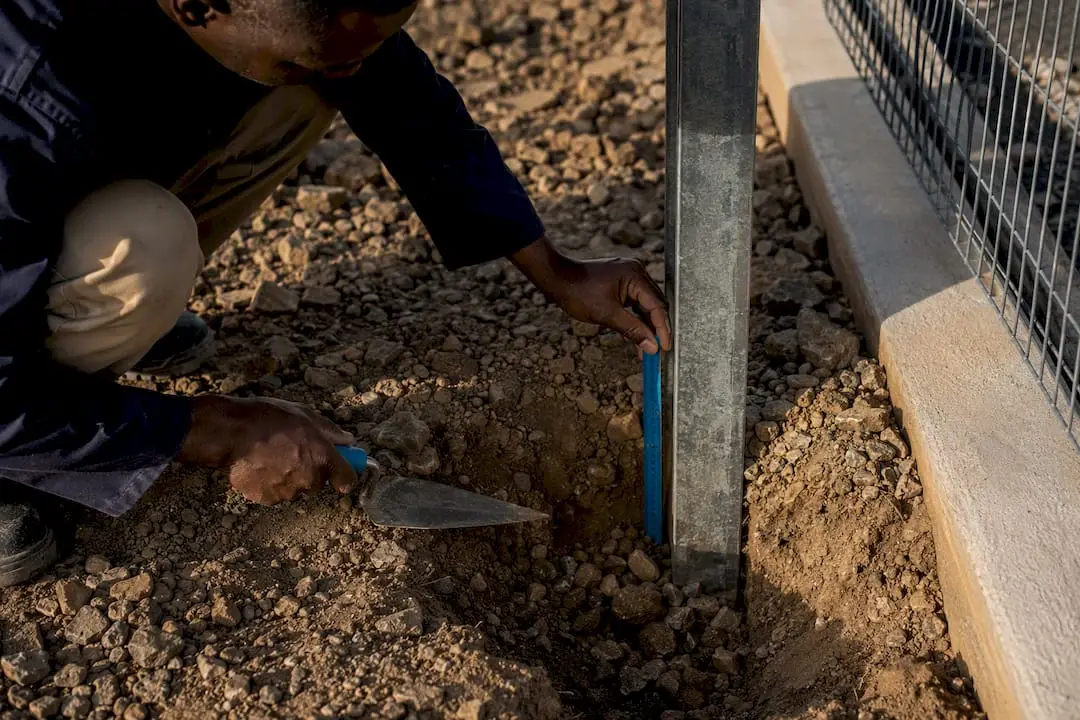
ClamberPrufe’s anti-climb and anti-cut geometry, paired with galvanized or PVC-coated finishes, holds up consistently in coastal and humid conditions where lesser coatings fail within a few years. Clients ask most often about warranty coverage and maintenance intervals, which tells you where the real value of professional installation sits: not just in the panels, but in what happens after handover.
— Jaline
Get a site-specific quote before you commit to a number
Every range in this guide is a starting point, not a substitute for a proper site assessment. A fencing company manufactures and installs clear-view systems with corrosion-resistant galvanized or PVC-coated finishes, tailored to your site’s ground conditions, security requirements, and budget.
A desk estimate can’t account for your specific terrain, existing services, or gate requirements, and that’s exactly where quotes tend to drift from the numbers in this guide. Requesting a proper site assessment closes that gap before you sign anything. If you’re weighing material options first, the complete fencing materials guide is a useful starting point. When you’re ready for numbers specific to your property, request a tailored ClamberPrufe quote and get a site assessment scheduled.
Sources
- Cost of Clearview fencing in Pretoria, Johannesburg & Gauteng
- Clearview Fence Prices 2026: Pretoria, Midrand & Johannesburg
- Procompare
- High-Security Fencing Systems: What to Know Before You Install – MFR Corp
FAQ
What is the average cost of a privacy fence with anti-climb features?
Installed high-security clear-view fencing averages roughly R1,000 to R1,300 per linear metre in South Africa, with premium specifications reaching R1,600 per metre.
Is supply-only cheaper than supply-and-install?
Supply-only pricing looks cheaper upfront but excludes excavation, concrete, and skilled labour. Once those costs are added, the gap narrows considerably, and supply-and-install includes a workmanship warranty supply-only doesn’t.
How much does a gate add to a fencing project?
A manual pedestrian or sliding gate typically adds several thousand rand, while motorised gates add considerably more depending on width and automation features.
What mesh specification should I request for high security?
Ask for a tighter aperture, closer to 12.7mm rather than 25mm, and a heavier wire gauge. This combination meaningfully improves anti-climb performance over standard economy specifications.
Do I need a permit for a high-security fence?
Many municipalities cap boundary fence height without a permit and require separate approval for electrified sections. Check with your local authority before finalising height or aperture spec.