TL;DR:
- Weather resistant fencing uses durable materials like aluminum, HDPE, and galvanized steel to last 20 to 40 years. Proper installation and routine maintenance significantly reduce long-term costs and enhance security and property value. Selecting the right material for the climate and ensuring quality installation are key to maximizing the fence’s lifespan and performance.
Weather resistant fencing is defined as any boundary structure built from materials that maintain structural integrity and appearance when exposed to rain, UV radiation, temperature swings, salt air, or freeze-thaw cycles. The advantages of weather resistant fencing go well beyond surface-level durability. Homeowners and property managers who choose materials like aluminum, high-density polyethylene (HDPE), or galvanized coated steel gain fences that last 20–40 years compared to 5–15 years for untreated wood. That lifespan difference translates directly into lower maintenance costs, stronger security, and better-looking properties over the long term.
1. What materials provide the best weather resistant fencing?
The right material is the single most important decision in any fencing project. Each option below carries distinct weatherproof properties suited to different climates and budgets.
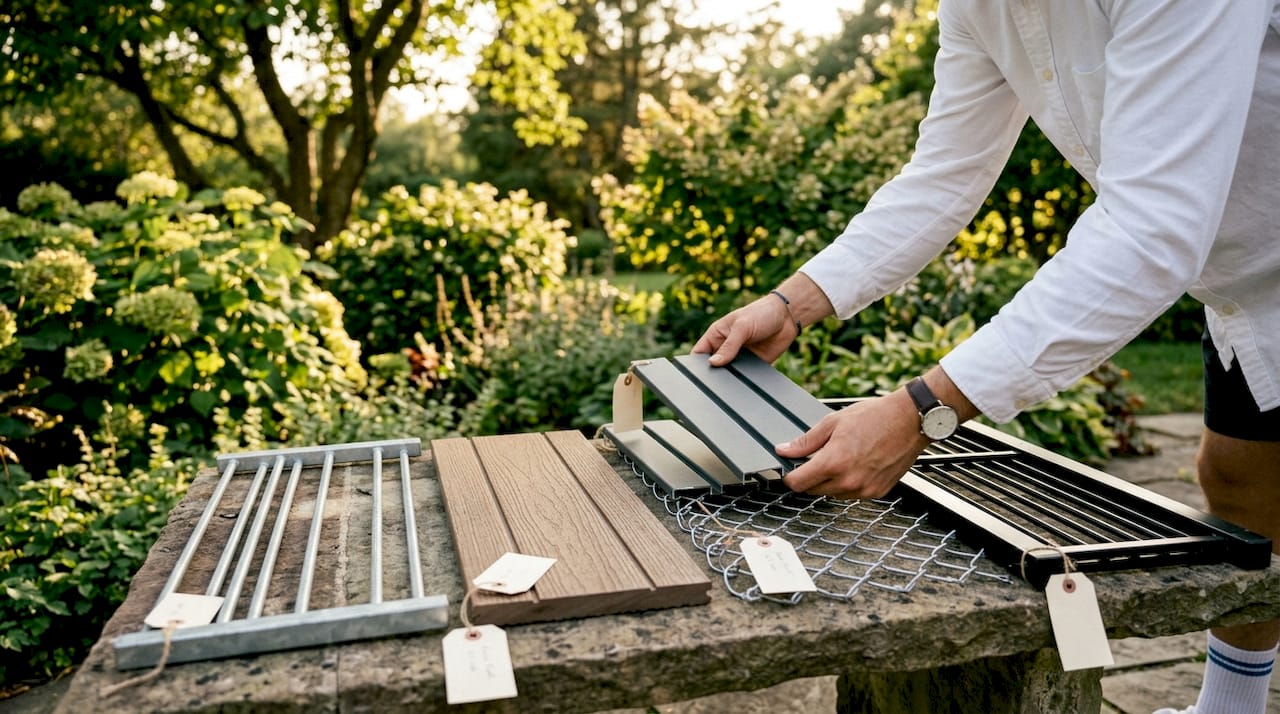
- Aluminum does not rust, rot, warp, or degrade under UV exposure. It performs well in salt air environments and freeze-thaw zones. FenceTrac pairs aluminum infill with a galvanized steel frame and backs the system with a 20-year warranty.
- HDPE (high-density polyethylene) has a non-porous surface that resists moisture absorption, UV damage, and temperature stress. It can flex under impact without cracking, which makes it one of the most durable fencing options available for extreme climates.
- Galvanized and coated steel offers high tensile strength with near-zero water absorption when properly coated. Metal systems with HDP NoFade coatings maintain structural integrity for 40 or more years in harsh conditions.
- Composite fencing blends recycled plastics and wood fibers to deliver the appearance of timber without the vulnerability to rot. Modern composite fences also support sustainability goals by using post-industrial waste materials.
- Powder-coated metal adds a polymer layer over steel or aluminum that resists chipping, fading, and corrosion. Jumalutech’s powder-coated fencing range demonstrates how this finish extends service life while maintaining a clean, professional appearance.
Pro Tip: Match your material to your dominant climate threat. Coastal properties need aluminum or HDPE for salt air resistance. Inland areas with hard winters benefit most from galvanized steel with a powder coat finish.
2. How does weather resistant fencing reduce maintenance costs?
Maintenance savings are one of the clearest financial benefits of durable fencing. Homeowners who choose climate-appropriate materials reduce long-term upkeep costs by 60–70% compared to those who install porous wood in humid environments. Steel-reinforced systems average around $35 per linear foot over 20 years, while wood averages $55 per linear foot over the same period. That gap widens further when you factor in repainting, sealing, and board replacement.
The lifespan comparison is equally compelling. Weather resistant materials extend a fence’s lifespan by 50–100%, with treated and synthetic options lasting 20–40 years. Untreated wood loses roughly half its structural strength within five years in wet climates. For property managers overseeing multiple sites, that difference in replacement cycles represents a significant budget advantage.
| Material | Typical lifespan | Maintenance level | Best climate |
|---|---|---|---|
| Untreated wood | 5–15 years | High | Dry, low-humidity |
| Treated timber | 15–20 years | Medium | Moderate climates |
| Aluminum | 20–40 years | Low | Coastal, freeze-thaw |
| HDPE | 30–50 years | Very low | All climates |
| Galvanized steel | 40+ years | Very low | Harsh, industrial |
Pro Tip: Request a full lifecycle cost estimate from your fencing contractor, not just the installation quote. A cheaper upfront material often costs more over a 20-year period once maintenance is included.
3. What are the security and aesthetic benefits?
A deteriorated fence does more than look neglected. It signals poor property management and actively invites trespassing and liability issues. Weather resistant fencing preserves security by preventing the rust, leaning, and warping that create gaps in your perimeter. A fence that holds its shape and finish year after year maintains a consistent physical barrier without requiring constant intervention.
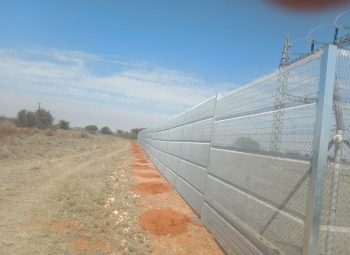
The aesthetic benefits are equally practical. Materials like powder-coated aluminum and HDPE retain their color and surface finish far longer than painted wood. That consistency matters for residential curb appeal and for commercial properties where brand image is tied to the condition of the site. Jumalutech’s ClamberPrufe Clear View Fencing combines unobstructed visibility with anti-climb security and a finish that holds up under South African weather conditions.
Key security and aesthetic advantages of weatherproof fencing include:
- Structural rigidity prevents fence panels from leaning or bowing, which eliminates weak points in the perimeter.
- Corrosion-resistant finishes maintain a professional appearance without annual repainting.
- Clear view designs, like mesh panel systems, allow surveillance without sacrificing boundary strength.
- A well-maintained fence signals active property management and deters opportunistic trespassers.
- Consistent aesthetics support property valuation during appraisals or sales.
4. How to choose weather resistant fencing for your climate
Selecting the right fence starts with an honest assessment of your local environment. Climate is the primary variable, and getting it wrong means paying for repairs or replacement far sooner than necessary.
- Identify your dominant weather threat. Coastal properties face salt air corrosion. Inland areas with cold winters face freeze-thaw heaving. High-UV regions like Gauteng accelerate color fading and surface degradation in lower-grade materials.
- Match material to climate zone. Aluminum and HDPE perform across nearly all climates. Galvanized steel suits industrial and high-security sites. Composite timber alternatives suit residential properties where aesthetics are a priority.
- Assess your security requirements. High-security perimeters need anti-climb profiles and high tensile wire construction. Residential boundaries may prioritize appearance and privacy over anti-intrusion specifications.
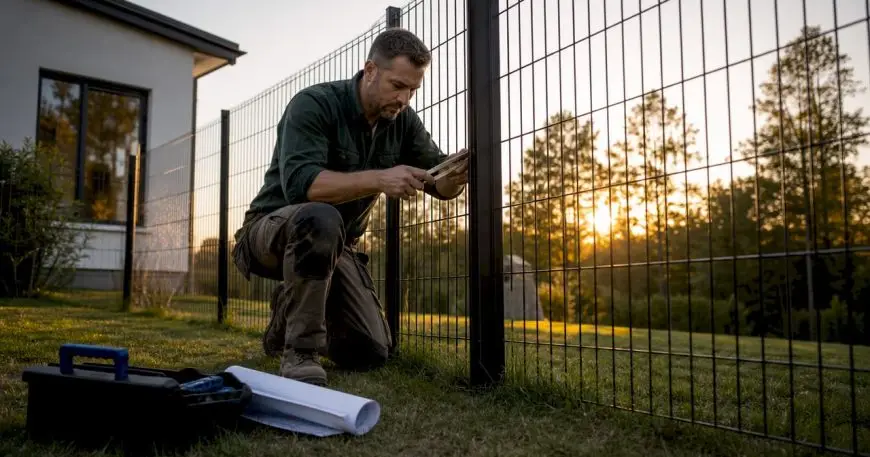
- Set a realistic budget that includes installation. Material cost is only part of the equation. Proper fence installation with correct post depth, gravel drainage bases, and bell-shaped footings directly affects how long any fence lasts, regardless of material quality.
- Consider visibility and compliance. Some municipalities and security estates in South Africa specify fence height and visibility standards. Clear view mesh fencing satisfies both security and compliance requirements in many of these contexts. Jumalutech’s guide on mesh fencing types covers the most common specifications.
- Factor in long-term aesthetics. Choose a finish that requires minimal upkeep to look professional. Powder-coated and anodized finishes outperform painted surfaces in outdoor conditions by a wide margin.
5. Common misconceptions about maintaining weather resistant fencing
The biggest misconception about synthetic fencing is that it requires no maintenance at all. HDPE and powder-coated aluminum are low-maintenance, not zero-maintenance. Annual rinsing is necessary to prevent debris buildup, mold growth, and surface staining that can degrade appearance and, over time, material integrity. Skipping this step shortens the effective lifespan of even the most durable fence.
A second common error involves hybrid fences that combine synthetic posts with timber infill panels. Homeowners often assume the timber component is protected by proximity to synthetic materials. It is not. Moisture meters costing around $20 allow you to verify that lumber sits at 12–15% moisture content before installation. Installing timber above that threshold leads to warping and shrinkage within the first season.
Key maintenance practices for long-lasting fencing:
- Rinse synthetic panels annually with a low-pressure hose and mild detergent.
- Inspect post bases each year for signs of water pooling or soil erosion.
- Check gate hardware and hinges for corrosion, especially in coastal environments.
- Clear vegetation from fence lines to prevent moisture retention against panels and posts.
Pro Tip: Post installation quality matters more than material choice alone. Gravel bases and bell-shaped footings prevent heaving in clay soils and stop water from pooling at the base of posts, which is the most common cause of early fence failure.
Key takeaways
Weather resistant fencing delivers its strongest returns when material selection, installation quality, and basic maintenance are treated as a single system rather than separate decisions.
| Point | Details |
|---|---|
| Material determines lifespan | Aluminum, HDPE, and galvanized steel last 20–40+ years versus 5–15 years for untreated wood. |
| Maintenance costs drop significantly | Climate-appropriate materials reduce long-term upkeep costs by 60–70% compared to porous wood. |
| Installation quality is critical | Gravel bases and bell footings prevent post heaving and water pooling, the leading causes of early failure. |
| Security depends on structural integrity | Warping and leaning create perimeter gaps. Weather resistant materials hold their shape and maintain secure boundaries. |
| Synthetic fencing still needs care | Annual rinsing prevents debris buildup and sustains the appearance and durability of HDPE and coated metal fences. |
Why I think most property owners underestimate installation quality
Property owners spend considerable time comparing fencing materials and very little time questioning how those materials will be installed. I have seen high-grade aluminum fencing fail within three years because posts were set in concrete without drainage, trapping water at the base until corrosion took hold from the inside out. The material was not the problem. The installation was.
The industry tends to sell materials and treat installation as a commodity. That framing is backwards. A mid-grade galvanized steel fence installed correctly will outlast a premium aluminum system installed carelessly. The gravel base, the footing depth, the post spacing, and the drainage slope are not afterthoughts. They are the foundation of every lifespan claim a manufacturer makes.
My recommendation for homeowners and property managers is straightforward. Before you commit to a material, ask your contractor to walk you through their installation process in detail. If they cannot explain their drainage strategy or footing specification, find someone who can. The upfront cost difference between a correctly installed fence and a poorly installed one is small. The long-term cost difference is not.
— Jaline
Jumalutech’s weather resistant fencing solutions for South African properties
Jumalutech specialises in the supply and installation of high-security fencing built to perform in South African conditions, from the UV intensity of Gauteng summers to coastal humidity. The ClamberPrufe Clear View Fencing range covers three product tiers: ClamberPrufe HiSecure, ClamberPrufe SimpliSecure, and ClamberPrufe EconoSecure, each combining anti-climb construction with weather-resistant finishes suited to residential, commercial, and industrial sites.
For property owners who want to understand the full technical picture before requesting a quote, Jumalutech’s security fencing terminology guide explains the specifications that matter most, from tensile strength ratings to coating standards. Jumalutech operates across Gauteng and serves clients throughout South Africa with professional installation and project-specific advice.
FAQ
What is weather resistant fencing?
Weather resistant fencing refers to boundary structures built from materials that resist rust, rot, warping, and UV degradation over extended periods. Common materials include aluminum, HDPE, galvanized steel, and composite timber alternatives.
How long does weather resistant fencing last?
Weather resistant materials typically last 20–40 years or more, compared to 5–15 years for untreated wood. Proper installation with correct drainage and post footings is required to achieve the upper end of that range.
Does synthetic fencing require any maintenance?
Yes. HDPE and powder-coated aluminum fences require annual rinsing to prevent debris buildup and surface staining. Skipping this step reduces both appearance and long-term durability despite the material’s inherent resistance to weather.
What is the most weather resistant fencing material?
HDPE and galvanized steel with protective coatings offer the highest resistance across the widest range of climates. Metal systems with HDP NoFade coatings maintain integrity for 40 or more years in harsh environments.
How does fencing affect property security and value?
A structurally sound fence maintains a consistent perimeter barrier and signals active property management. Warped, rusted, or leaning fencing creates physical gaps and signals neglect, which can reduce property value and increase liability exposure.