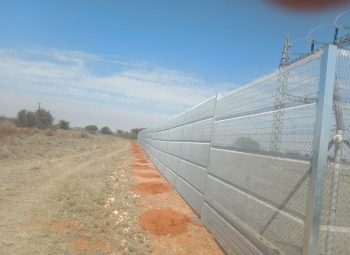
Gauteng property owners face relentless weather challenges that compromise fence durability and security. Rain, UV exposure, and temperature swings accelerate corrosion and structural failure. Choosing the right weatherproof fencing method extends fence lifespan while enhancing safety. This guide walks you through material selection, installation techniques, and maintenance practices tailored to Gauteng’s demanding climate.
Table of Contents
- Understanding Weatherproof Fencing Materials
- Preparing For Effective Weatherproof Fencing Installation
- Choosing And Installing Clearview Fencing For Weather Resistance And Security
- Maintaining Your Weatherproof Fence For Maximum Durability
- Explore Premium Weatherproof Fencing Solutions With Jumalu Fencing
- Frequently Asked Questions
Key takeaways
| Point | Details |
|---|---|
| Corrosion protection matters | Hot-dip galvanizing extends lifespan by 20 years while duplex coatings offer 30 years protection. |
| Installation technique is critical | Correct post depth (500-800mm) and proper anchoring prevent premature failure. |
| Clearview fencing delivers dual benefits | High-tensile mesh resists climbing and cutting while transparent design eliminates surveillance blind spots. |
| Maintenance extends durability | Regular inspections and touch-ups significantly enhance fence lifespan. |
| Design balances security and aesthetics | Fence height and material choice should match security needs without compromising property appearance. |
Understanding weatherproof fencing materials
Weatherproof fencing starts with selecting materials engineered to withstand Gauteng’s harsh conditions. The right coating system protects steel from moisture, UV radiation, and temperature fluctuations that cause rust and degradation.
Hot-dip galvanizing creates a metallurgical bond between zinc and steel through immersion in molten zinc. This process forms multiple protective layers that shield the base metal. Hot-dip galvanizing extends steel fence lifespan by 20 years compared to standard treatments in harsh environments. The zinc layer sacrifices itself to protect underlying steel, regenerating naturally when scratched.
Duplex coating combines galvanizing with powder coating for superior protection. The galvanized layer provides corrosion resistance while powder coating adds color, aesthetic appeal, and an additional barrier. Duplex coating systems provide 30 years protection against corrosion and UV degradation. This dual protection makes duplex coating ideal for properties requiring both durability and visual impact.
Powder coating alone offers aesthetic versatility with hundreds of color options but delivers less corrosion protection than galvanizing. Powder coating offers color variety but requires intact coating to prevent rust. Any chips or scratches expose bare metal to elements. For Gauteng’s intense UV exposure and variable weather, powder coating works best as part of a duplex system rather than standalone protection.
Material selection directly impacts fence performance in local conditions:
- Galvanized steel provides baseline corrosion resistance for budget-conscious installations
- Duplex coated steel delivers premium protection with aesthetic customization
- High-tensile wire mesh combines strength with weather resistance for security fencing in Gauteng
- Stainless steel fasteners prevent weak points where standard fixings corrode
- Marine-grade components suit properties near water features or high-moisture areas
Pro Tip: Gauteng’s high altitude increases UV intensity. Choose coatings with UV stabilizers to prevent color fading and surface degradation.
Preparing for effective weatherproof fencing installation
Proper ground preparation determines whether your fence survives decades or fails within years. Soil composition, drainage patterns, and installation depth create the foundation for weather resistance.
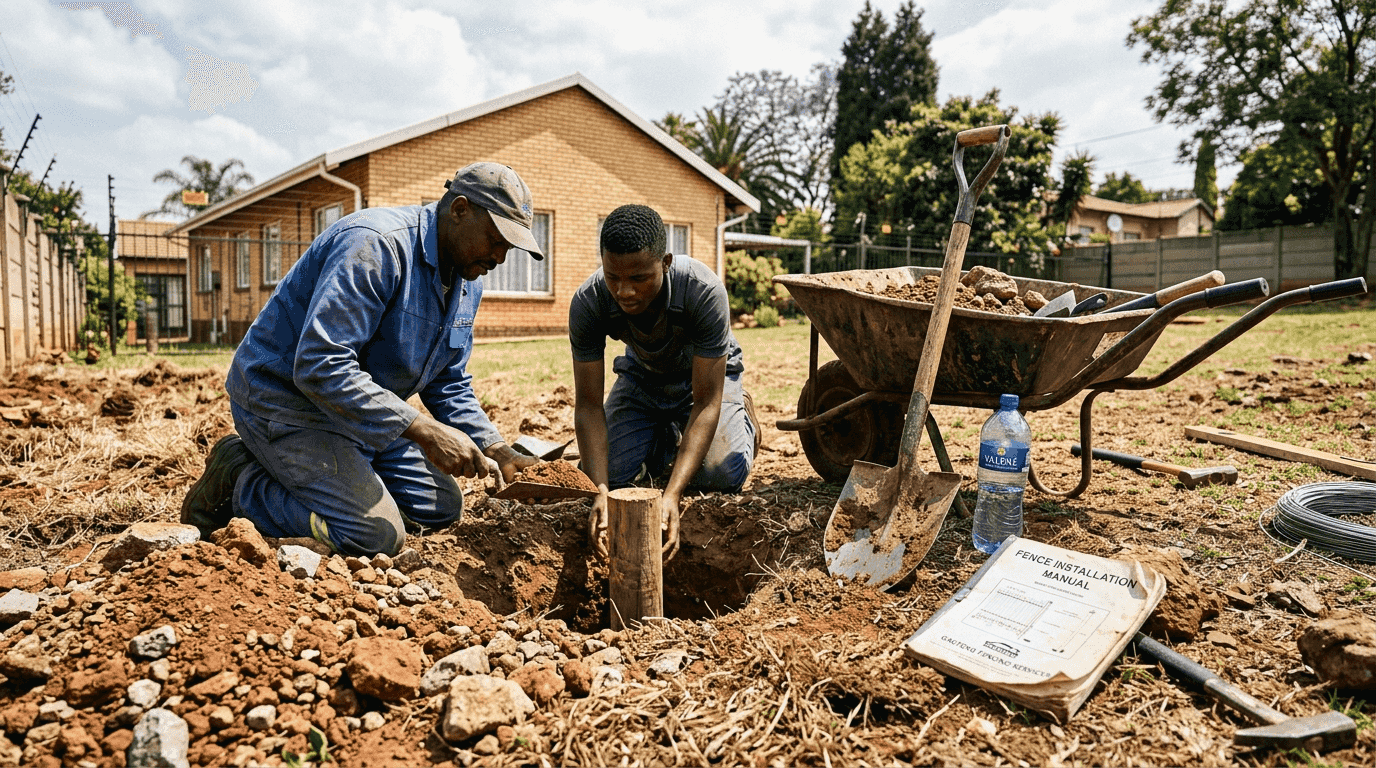
Assess soil conditions before breaking ground. Clay soils retain moisture and cause seasonal expansion, sandy soils drain quickly but offer less support, and rocky terrain requires specialized equipment. Understanding your soil type informs post depth, concrete mix, and drainage solutions. Water accumulation around posts accelerates corrosion even with protective coatings.
Follow this installation sequence for maximum stability:
- Mark fence line with string and stakes, ensuring accurate spacing and alignment
- Excavate post holes to correct depth (500-800mm) based on fence height and soil type
- Add gravel base layer for drainage, preventing water pooling at post bottom
- Position posts vertically using spirit level, checking alignment in both directions
- Fill holes with concrete mixed to proper consistency for soil conditions
- Allow concrete to cure fully before attaching panels or mesh
- Install horizontal rails or mesh panels using corrosion-resistant fixings
- Maintain ground clearance between fence bottom and soil surface
Pro Tip: Leave 50-75mm clearance between fence bottom and ground. This gap prevents soil contact that traps moisture and initiates corrosion at the most vulnerable point.
Secure anchoring prevents wind damage and structural failure. Use appropriately sized concrete footings that extend below frost line. In Gauteng, frost penetration rarely exceeds 300mm, but deeper footings provide superior stability. Space posts according to manufacturer specifications, typically 2-3 meters for palisade or mesh fencing. Closer spacing increases strength but raises material costs.
Warning: Improper installation can reduce lifespan by 50%. Cutting corners on depth, concrete quality, or fixing methods creates premature failure points that compromise your entire investment.
Inspect all components before installation. Reject any materials with damaged coatings, rust spots, or structural defects. Repairing coating damage after installation proves far more difficult and expensive. Handle coated materials carefully during transport and installation to avoid scratches that expose bare metal. Store materials off the ground on pallets or supports to prevent moisture contact.
Follow the complete fence installation process guide for step-by-step instructions tailored to different fence types and site conditions.
Choosing and installing clearview fencing for weather resistance and security
Clearview welded mesh fencing represents the evolution of security fencing, combining exceptional weather resistance with anti-intrusion features. This modern alternative to traditional palisade addresses multiple property protection needs simultaneously.
Clearview fencing uses high-tensile wire and small mesh openings to resist climbing and cutting attempts effectively. Typical specifications include 4mm horizontal wires, 5mm vertical wires, and 76.2mm x 12.7mm mesh spacing. Wire tensile strength exceeds 1770 MPa, making manual cutting with bolt cutters nearly impossible. Welded intersections create a rigid panel that maintains structural integrity under force.
The transparent design delivers surveillance advantages traditional solid fencing cannot match. Clearview fencing improves CCTV coverage by eliminating surveillance blind spots. Security personnel or camera systems maintain unobstructed sight lines across property boundaries. This visibility deters intrusion attempts while preserving aesthetic appeal for residential properties.
| Feature | Specification | Security Benefit | Cost Range |
|---|---|---|---|
| Wire diameter | 4-5mm horizontal/vertical | Cutting resistance | R1000-R1300/meter |
| Mesh opening | 76.2mm x 12.7mm | Anti-climb design | Installed |
| Tensile strength | 1770+ MPa | Force resistance | Mid-range |
| Coating options | Galvanized or PVC coated | Weather protection | Variable |
| Panel height | 1.8m to 3.6m | Scalability for needs | Height-dependent |
Clearview fencing costs between R1000-R1300 per meter including installation, offering cost-effective security compared to electric fencing or solid palisade alternatives. Long-term value comes from minimal maintenance requirements and extended lifespan when properly installed.
Installation considerations unique to mesh fencing include:
- Panel alignment must be precise to maintain consistent mesh pattern and appearance
- Tensioning systems ensure panels remain taut and resist sagging over time
- Post spacing matches panel width exactly, typically 2.5-3 meters
- Anti-lift brackets prevent panels being levered up from bottom
- Top and bottom horizontal rails add rigidity and attachment points
Pro Tip: Coordinate fencing placement with CCTV camera angles during design phase. Position cameras to exploit clearview transparency, maximizing coverage while minimizing camera quantity and blind spots.
The advantages of clearview fencing extend beyond security. The open design allows air circulation, reducing wind loading compared to solid barriers. This characteristic proves valuable in Gauteng’s summer storms. Natural light penetrates through mesh, preventing dark corridors along fence lines that encourage unauthorized access.
Compare clearview vs palisade fencing to determine which solution matches your security requirements and aesthetic preferences. Both offer weatherproof performance when correctly specified and installed.
Learn more about installing clearview fencing and the specific techniques that ensure long-term performance in Gauteng conditions.
Maintaining your weatherproof fence for maximum durability
Even the best weatherproof coatings require ongoing maintenance to deliver their full lifespan potential. Regular inspections, cleaning, and touch-up painting are essential to maximize fence lifespan and weather resistance. Proactive care prevents minor issues from becoming expensive failures.
Inspect your fence thoroughly at least twice yearly, ideally before and after extreme weather seasons. Look for coating damage, rust spots, loose fixings, and structural issues. Pay special attention to welded joints, post bases, and areas where different metals meet. These locations experience accelerated corrosion due to galvanic action or moisture accumulation.
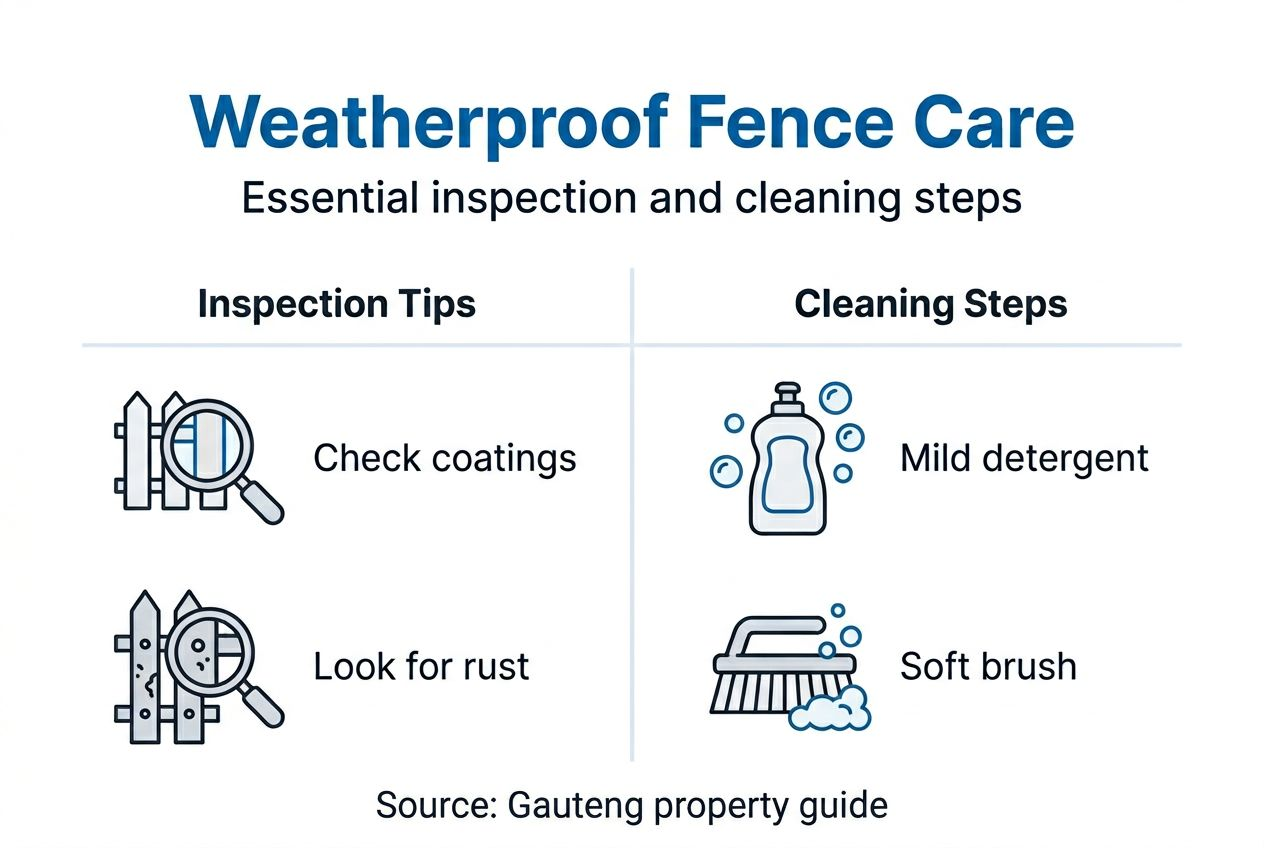
Cleaning removes contaminants that trap moisture against protective coatings. Use mild detergent and water with a soft brush for routine cleaning. Avoid abrasive materials or harsh chemicals that damage coatings. Rinse thoroughly to remove all soap residue. For stubborn dirt or organic growth, use a low-pressure washer, keeping the nozzle at least 300mm from the surface to prevent coating damage.
Touch-up painting addresses coating damage before rust spreads. Clean damaged areas thoroughly, removing loose paint and rust with a wire brush. Apply rust converter to any exposed metal, then prime and paint using products compatible with your fence coating. Match paint chemistry to original coating for proper adhesion. Acrylic paints suit powder-coated fences while zinc-rich primers work best for galvanized surfaces.
Maintenance practices vary by coating type:
- Galvanized fences require minimal intervention but benefit from annual cleaning and inspection
- Powder-coated surfaces need prompt touch-up of any chips to prevent rust spreading underneath intact coating
- Duplex-coated fences combine both coating types, prioritize repairing powder coat damage to protect galvanized layer
- PVC-coated mesh should be checked for coating splits or peeling, especially at welded joints
- Stainless steel components rarely corrode but should be cleaned to remove surface staining
Pro Tip: Schedule maintenance around Gauteng’s weather patterns. Inspect after the rainy season (October-March) for moisture damage and before winter (May-August) to prepare for dry conditions and temperature fluctuations.
Document fence condition during each inspection. Photograph problem areas and track their progression over time. This record helps identify patterns and predict when major maintenance becomes necessary. It also proves valuable for warranty claims or property insurance.
Address structural issues immediately. Loose posts, sagging panels, or damaged fixings compromise both security and weather resistance. Water enters through gaps created by structural movement, accelerating corrosion. Tighten fixings, realign panels, and reinforce posts as needed.
Follow the comprehensive security fencing maintenance guide for detailed procedures specific to different fence types and coating systems.
Explore premium weatherproof fencing solutions with Jumalu Fencing
Implementing the weatherproofing methods covered in this guide requires quality materials and expert installation. Jumalu Fencing specializes in supplying and installing high-security, weather-resistant fencing solutions throughout Gauteng.
Our ClamberPrufe clearview fencing combines the durability and visibility advantages discussed earlier with professional installation that follows best practices for maximum lifespan. We offer comprehensive solutions from initial site assessment through final installation and maintenance planning. Compare options with our clear view fencing comparison or explore our full range at Jumalu Fencing. Contact us for custom quotes tailored to your property’s specific security and aesthetic requirements. Our professional fencing installation ensures your investment delivers decades of reliable protection.
Frequently asked questions
How long does weatherproof fencing last in Gauteng’s climate?
Hot-dip galvanized fences can last over 50 years with proper maintenance in Gauteng conditions. Duplex coatings offer up to 30 years of corrosion protection, combining zinc sacrificial layer with powder coat barrier. Regular inspections and prompt repairs of coating damage significantly extend fence life beyond these baseline expectations.
What installation practices prevent weather damage to fences?
Correct post depth of 500-800mm and secure concrete anchoring are critical for preventing premature failure. Adequate ground clearance of 50-75mm prevents corrosion from soil contact and moisture accumulation. Using corrosion-resistant fixings and proper drainage around posts eliminates common failure points.
Why is clearview fencing a good choice for high security in Gauteng?
Its welded mesh construction and high-tensile wire resist climbing and cutting attempts effectively. The transparent design aids CCTV surveillance by eliminating blind spots while maintaining unobstructed visibility. This combination delivers superior security without the oppressive appearance of solid barriers.
How often should I perform maintenance on my weatherproof fence?
Inspect and clean fences at least twice yearly, ideally before and after extreme weather seasons. Promptly touch up any damaged coating areas to prevent rust spreading underneath intact surfaces. Document fence condition during inspections to track deterioration patterns and plan preventive maintenance.