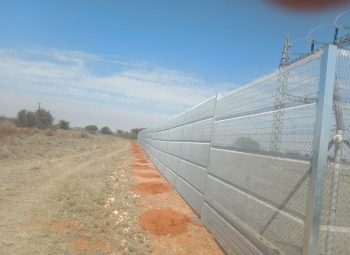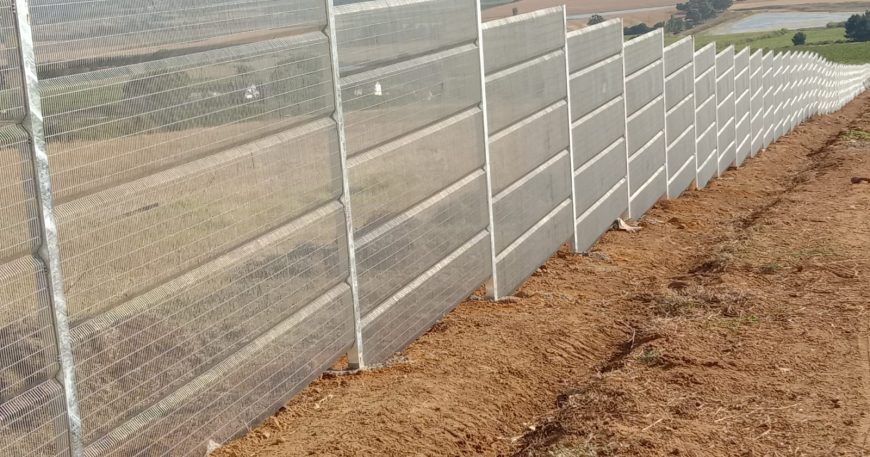
Scaling a fence may seem simple, yet modern intruders can climb a standard barrier in seconds. For property owners, traditional fencing often falls short of true security. That is why anti-climb fencing has become a top choice for protecting critical spaces. By combining clever engineering with psychological deterrence, these systems do more than mark boundaries—they help keep people, assets, and sensitive areas truly secure.
Table of Contents
- Defining Anti-Climb Fencing and Its Purpose
- Types of Anti-Climb Fencing Solutions
- Key Features and Security Mechanisms
- Real-World Applications and Use Cases
- Cost, Maintenance, and Installation Factors
- Comparing Anti-Climb Fencing With Alternatives
Key Takeaways
| Point | Details |
|---|---|
| Advanced Design | Anti-climb fencing employs features like smooth surfaces and tight mesh to prevent unauthorized access effectively. |
| Psychological Deterrence | These systems not only block physical entry but also deter potential intruders by signaling high security levels. |
| Versatile Applications | Suitable for various high-security environments, including industrial sites and government installations, anti-climb fencing adapts to specific security needs. |
| Cost Considerations | Beyond initial installation, property owners should weigh ongoing maintenance and potential savings on insurance premiums when investing in anti-climb fencing. |
Defining Anti-Climb Fencing and Its Purpose
Anti-climb fencing represents a sophisticated security solution engineered specifically to prevent unauthorized access and deter potential intruders from scaling physical barriers. These specialised fencing systems are designed with unique architectural features that make vertical climbing extremely difficult or practically impossible for human trespassers.
At its core, anti-climb fencing serves multiple critical security objectives beyond traditional perimeter protection.
Unlike standard fencing that merely marks boundaries, these advanced barriers incorporate deliberate structural impediments such as smooth surfaces, anti-grip panels, sharp angled tops, and closely spaced mesh configurations that actively resist climbing attempts. High Security Fencing plays a crucial role in creating comprehensive security environments for properties ranging from industrial complexes to sensitive infrastructure sites.
The fundamental purpose of anti-climb fencing extends beyond physical obstruction. These systems are strategically engineered to psychologically discourage potential intruders by presenting clear, formidable barriers that signal advanced security preparedness. Key design characteristics typically include:
- Smooth, vertical surfaces without horizontal rails or ledges
- Tightly spaced mesh or panel configurations
- Angled or outward-leaning top sections
- Materials engineered for minimal hand or foot grip
- Integrated visual deterrence through transparent or intimidating designs
By combining physical resistance with psychological deterrence, anti-climb fencing transforms perimeter security from passive boundary marking to active intrusion prevention. Property owners gain a proactive defence mechanism that communicates serious commitment to protecting assets, personnel, and critical infrastructure.
Types of Anti-Climb Fencing Solutions
Anti-climb fencing encompasses diverse design strategies tailored to prevent unauthorized access across different environments. These innovative security solutions are engineered to address unique property protection requirements through specialized configurations that make vertical breaching exceptionally challenging.
One prominent category involves mesh panel systems, which leverage tightly woven wire configurations designed to eliminate potential climbing surfaces. Exploring the Top Mesh Panel Fencing Types for Ultimate Security highlights critical variations within this technology. These systems typically incorporate features such as:
- Welded mesh panels with minimal horizontal or vertical gaps
- High tensile wire construction
- Panels manufactured with small rectangular or square openings
- Smooth surface treatments preventing hand or foot grips
- Integrated anti-climb extensions or angled top sections
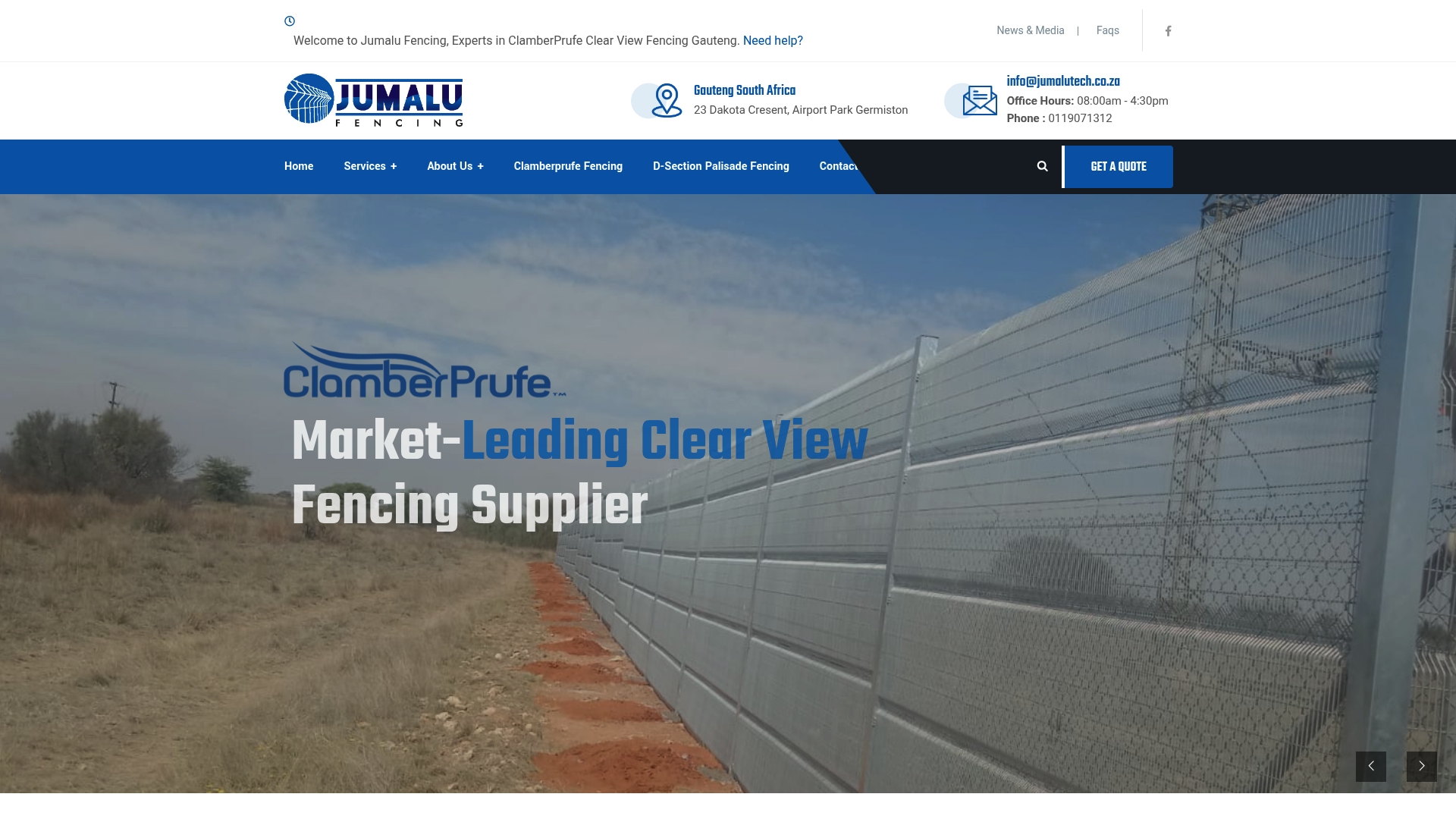
Another sophisticated approach involves clear view security fencing, which provides transparent yet formidable barriers. These designs maintain visual permeability while incorporating robust anti-climb mechanisms. Specialized configurations like ClamberPrufe panels utilize advanced engineering to create surfaces that appear deceptively simple but resist climbing attempts through strategic panel geometry.
Industrial and high-security environments often require more aggressive anti-climb solutions. This includes electrified fence variants, razor wire configurations, and modular panels with integrated deterrent technologies. The ultimate goal remains consistent: creating a multilayered security approach that combines physical resistance with psychological discouragement, ensuring comprehensive perimeter protection for critical infrastructure and sensitive property zones.
Here’s a summary of the main types of anti-climb fencing solutions and their key characteristics:
| Fencing Type | Key Features | Typical Applications |
|---|---|---|
| Mesh Panel Systems | Tightly spaced mesh Small rectangular openings High tensile wire |
Industrial sites Commercial properties |
| Clear View Fencing | Transparent panels Advanced panel geometry Minimal climbing points |
Government buildings Urban sites |
| Electrified/Razor Wire | High deterrence Electrified zones Razor elements |
Correctional facilities Utilities |
| Modular Deterrent Panels | Anti-grip surfaces Angled top sections Customisable lengths |
High-security compounds Data centres |
Key Features and Security Mechanisms
Anti-climb fencing represents a sophisticated engineering marvel that integrates multiple security mechanisms designed to create formidable physical barriers. These systems go far beyond traditional perimeter protection, employing intricate design strategies that actively discourage and prevent unauthorized access through vertical penetration attempts.
The core security mechanisms typically encompass advanced structural elements that systematically eliminate potential climbing opportunities. Anti-Climb And Anti-Cut Designs highlights the critical engineering principles underlying these innovative solutions. Key security features include:
- Smooth, vertical surface configurations
- Minimal horizontal support structures
- Tightly spaced mesh configurations
- Advanced material compositions preventing hand grips
- Integrated angled or outward-leaning top sections
- Weather-resistant coatings reducing surface friction
Psychological deterrence plays an equally important role in anti-climb fencing design. These systems are strategically engineered to communicate clear security intentions, presenting an immediate visual signal that unauthorized entry will be extremely challenging. Specialized panels and mesh configurations create an intimidating visual landscape that psychologically discourages potential intruders before physical contact is even attempted.
Materials selection represents another crucial dimension of anti-climb security mechanisms. High-tensile steel, aluminum alloys, and advanced polymer composites are carefully chosen to provide maximum structural integrity while minimizing climbing potential. The result is a comprehensive security solution that combines physical resistance, visual deterrence, and technological innovation to create an impenetrable perimeter protection system.
Real-World Applications and Use Cases
Anti-climb fencing demonstrates remarkable versatility across numerous critical infrastructure and high-security environments, providing comprehensive protection for diverse property types. These advanced security solutions are not merely physical barriers but strategic perimeter management systems that address complex security challenges in multiple sectors.
7 Essential Types of Mesh Fencing for Secure Properties underscores the nuanced applications of these security technologies across different industries. Typical real-world deployment scenarios include:
- Critical national infrastructure facilities
- High-risk industrial compounds
- Government and military installations
- Research and scientific research centers
- Correctional and detention facilities
- Utilities and energy production sites
- Sensitive agricultural and research zones
- Transportation infrastructure hubs
- Mining and resource extraction locations
- Telecommunications and data center perimeters
Each deployment scenario requires tailored anti-climb fencing solutions that address specific environmental and security challenges. Industrial sites, for instance, might prioritize robust, corrosion-resistant materials that withstand harsh operational conditions, while government facilities demand multi-layered security configurations with enhanced surveillance integration.
The scalability of anti-climb fencing technologies enables seamless adaptation across different security contexts. From remote mining operations in challenging terrains to urban research facilities requiring precise perimeter control, these systems provide a flexible, comprehensive security approach. The integration of advanced materials, strategic design, and psychological deterrence makes anti-climb fencing an essential component of modern security infrastructure, offering protection that extends far beyond traditional boundary demarcation.
Cost, Maintenance, and Installation Factors
Anti-climb fencing represents a significant investment in property security, with cost considerations extending far beyond initial installation expenses. Property owners must carefully evaluate multiple financial and operational factors that impact the long-term effectiveness and economic viability of these advanced security systems.
Anti-Climb And Anti-Cut Designs emphasizes the critical importance of comprehensive cost analysis. Key financial considerations include:
- Initial material and manufacturing costs
- Professional installation expenses
- Long-term maintenance requirements
- Potential replacement intervals
- Compatibility with existing security infrastructure
- Potential insurance premium reductions
- Environmental durability factors
- Performance warranty coverage
Installation complexity represents another crucial dimension of anti-climb fencing implementation. Professional installation is typically mandatory, requiring specialized expertise to ensure structural integrity and optimal security performance. Factors such as terrain complexity, site accessibility, and existing infrastructure can significantly influence installation timelines and associated costs.
Maintenance strategies play a pivotal role in maximizing the economic value of anti-climb fencing systems. Routine inspections, protective coating reapplications, and proactive repair interventions are essential to preserving the structural and security capabilities of these advanced perimeter solutions. Smart property managers recognize that preventative maintenance represents a more cost-effective approach compared to comprehensive system replacement, ultimately delivering superior long-term security investment returns.
Comparing Anti-Climb Fencing With Alternatives
Anti-climb fencing distinguishes itself from traditional security barriers through sophisticated design strategies that fundamentally transform perimeter protection approaches. Unlike conventional fencing solutions, these advanced systems represent a holistic security technology that combines physical obstruction with psychological deterrence.
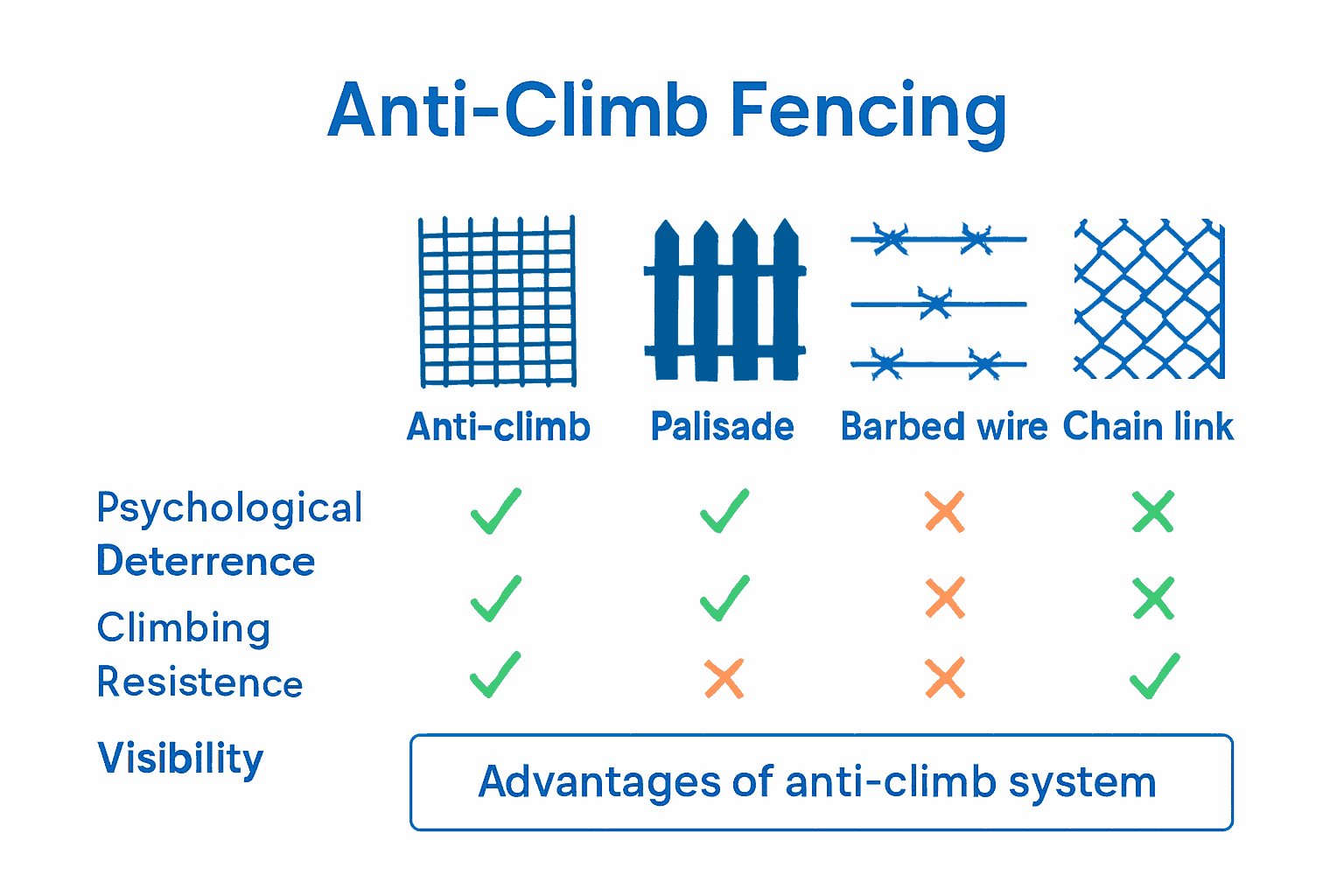
Clear View vs Palisade Fencing provides critical insights into the nuanced differences between security fencing alternatives. Comparative analysis reveals key distinctions across multiple security barrier technologies:
- Traditional Palisade Fencing:
- Vertical steel or aluminum posts
- Easier to climb with horizontal railings
- Lower psychological deterrence
- Limited visibility
- Barbed Wire Barriers:
- High intrusion prevention
- Visually aggressive design
- Potential legal restrictions
- High maintenance requirements
- Chain Link Fencing:
- Cost-effective solution
- Minimal climbing resistance
- Poor visual aesthetics
- Limited security performance
- Anti-Climb Fencing:
- Advanced structural impediments
- Minimal climbing surfaces
- Enhanced psychological deterrence
- Superior visibility options
- Scalable security configurations
The strategic superiority of anti-climb fencing becomes evident through its multifaceted approach to security. Where traditional barriers merely define boundaries, these innovative systems actively prevent and discourage unauthorized access through intelligent design principles that integrate physical resistance with visual complexity.
Most alternative fencing technologies represent singular-dimensional security solutions, whereas anti-climb fencing emerges as a comprehensive perimeter management system.
 By combining advanced materials, strategic geometric configurations, and psychological design elements, these fencing technologies transcend conventional security paradigms, offering property owners a sophisticated, proactive defense mechanism that adapts to diverse environmental and security challenges.
Strengthen Your Property With Proven Anti-Climb Fencing Solutions
The challenge of protecting your property against unauthorized access calls for fencing that combines strength with smart design. If you are seeking to deter intruders with structures that resist climbing attempts, Jumalu Tech offers expertly engineered solutions tailored for your security needs. From smooth, vertical surfaces to tightly spaced mesh that frustrates any effort to breach, our range includes industry-leading options like the durable ClamberPrufe Clear View Fencing, designed for both maximum visibility and uncompromising protection.
Experience peace of mind by choosing fencing that sets a new standard in perimeter security. Explore our High Security Fencing – Jumalu Fencing for powerful solutions, review the specialized features of our Clearview Fence Installation – Jumalu Fencing, or find a perfect fit with resilient Mesh Panel Fencing – Jumalu Fencing. All solutions deliver weather resistance and anti-cut technology proven to safeguard your investment.
Ready to secure your property with fencing that truly resists intrusion and delivers unmatched durability Act now and connect with us at Jumalu Tech to request a personalised quote. Protect what matters most with expert craftsmanship and long-lasting security tailored to your unique needs.
Frequently Asked Questions
What is anti-climb fencing?
Anti-climb fencing is a specialized security solution designed to prevent unauthorized access by making it extremely difficult for individuals to scale the barrier. It incorporates architectural features such as smooth surfaces and anti-grip panels to deter climbing attempts.
How does anti-climb fencing differ from traditional fencing?
Unlike traditional fencing, which primarily marks boundaries, anti-climb fencing combines physical resistance with psychological deterrence. It features advanced designs that actively discourage unauthorized entry, making it a more proactive security solution.
What are the main types of anti-climb fencing solutions available?
Common types of anti-climb fencing include mesh panel systems, clear view security fencing, electrified fencing, and modular deterrent panels. Each type is designed for specific security needs, with unique features that enhance climbing resistance and visibility.
What maintenance is required for anti-climb fencing?
Maintenance for anti-climb fencing typically includes routine inspections, reapplication of protective coatings, and timely repairs. Regular maintenance is essential to preserve the structural integrity and security capabilities of these advanced systems.
Recommended
- What Is Anti Cut Fencing? Complete Guide for 2024 – Jumalu Fencing
- Anti-Climb And Anti-Cut Designs: Raising The Standard For Property Security – Jumalu Fencing
- Exploring the Top Mesh Panel Fencing Types for Ultimate Security: ClamberPrufe Clear View Fencing Takes the Lead – Jumalu Fencing
- Clear View Fencing: Complete Guide for South Africa – Jumalu Fencing